Skip to content
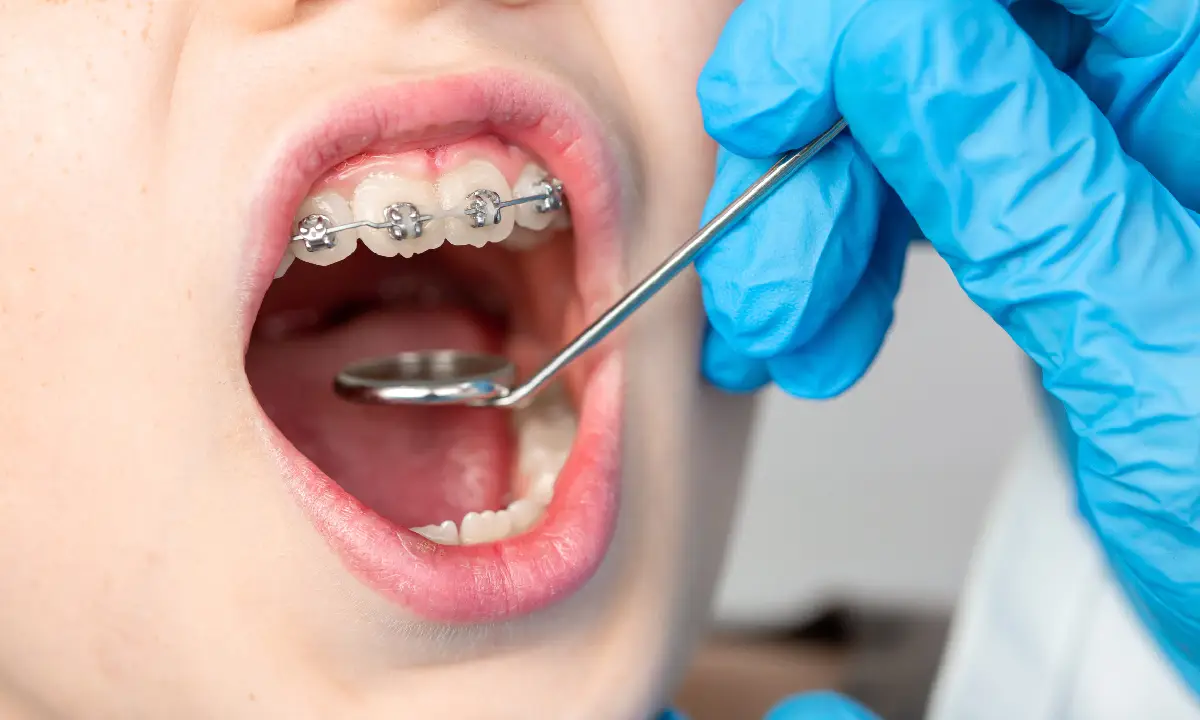
Table of Contents
Great orthodontic outcomes start with more than straight teeth. Dentofacial orthopedics, paired with orthodontist collaboration treatment, allows providers to assess jaw development, bite alignment, and facial balance together, creating a more strategic plan that supports both function and appearance. For patients seeking a more complete approach, this added level of evaluation can make treatment feel more personalized and goal-focused.
Why Dentofacial Orthopedics Changes the Treatment Conversation
Traditional orthodontic planning usually focuses on tooth position, spacing, crowding, and bite correction. Those are important pieces of care, but they are not always the full story. A patient may present with crooked teeth, while the deeper issue involves jaw width, skeletal pattern, or facial proportions.
In the mentioned situation, straightening teeth alone may improve appearance, but it may not fully address the structural reasons behind the problem.
That is why dentofacial orthopedics adds a different layer to treatment planning. It considers how the jaws are developing and how those patterns affect the lower face, the smile arc, and the way the bite comes together.
- For children and teens, this can be particularly important because growth is still active.
- For adults, it can still shape how treatment choices are made, especially when facial balance is part of the goal.
This broader view is one of the key dentofacial orthopedics benefits. It helps the provider decide not only how to move teeth, but also when to guide development, when to support facial symmetry, and when a more measured sequence of care makes sense.
How Orthodontist Collaboration Improves Decision-Making
The value of orthodontist collaboration treatment comes from the way it sharpens diagnosis.
A patient might walk into an office thinking the concern is simple crowding or a mild overbite. After a full evaluation, the provider may find that the concern also involves a narrow arch, uneven lower facial proportions, or a jaw relationship that affects the final result.
Collaboration creates room for those details to be considered early instead of after treatment is already underway. This can influence appliance choice, treatment timing, and even the overall goals of care. It also allows the patient to understand why certain recommendations are being made. By doing so, this action leads to more realistic expectations.
This does not mean every case becomes more complicated. In many situations, collaboration can simplify care by identifying the most direct path from the start. A patient is less likely to be treated only for surface-level alignment when the underlying structure should also be part of the plan.
The Role of Early Orthodontic Intervention
Timing matters when growth is involved. Early orthodontic intervention can be useful when a child shows signs of bite imbalance, jaw development concerns, or spacing issues that point to something more than routine alignment.
Acting early does not always mean that full orthodontic treatment begins right away. Sometimes it means monitoring growth carefully. In some cases, it means guiding development during a window when the jaws are more responsive.
That timing is one of the strongest reasons collaboration matters. If a provider sees a developing crossbite, an underdeveloped arch, or a pattern in the lower third of the face that may become more noticeable over time, early orthodontic intervention can help address the issue before it becomes harder to manage. It can also create a better foundation for any later phase of orthodontic care.
Parents often assume orthodontic treatment should wait until all permanent teeth erupt. That is not always the best approach. Some concerns are easier to manage during active growth, especially when jaw development is part of the picture. Careful early planning can improve the sequence of treatment without rushing a child into unnecessary procedures.
What Do Better Results Actually Mean
When people hear the phrase “better results,” they often think only about cosmetics. In reality, the result may be better because the bite functions more evenly, the arches relate more naturally to the face, or the lower third looks more proportionate after treatment. It may also mean the treatment plan was designed with fewer compromises.
This is where the practical dentofacial orthopedics benefits become clearer. A treatment plan that considers facial structure can help support:
- Better coordination between the upper and lower arches
- A more balanced relationship between bite and profile
- Improved planning for growth-related changes
- A clearer path for patients who need more than simple alignment
- A more thoughtful connection between aesthetics and function
None of that guarantees a dramatic transformation, and it should not be presented that way. What it can offer is a more grounded approach to care. The result is often more complete because the provider is working from a fuller understanding of the patient’s anatomy
Why a Whole-Face Perspective Matters
A patient’s facial appearance is shaped by more than the teeth. Jaw position, chin support, lip posture, smile width, and lower facial height all influence the final look. That is why treatment that focuses too narrowly on alignment can sometimes miss opportunities to create a more balanced outcome.
A whole-face perspective does not mean every patient needs extensive treatment. It means the provider takes the time to study the full picture before making recommendations. That approach is especially relevant in practices where aesthetic concerns overlap with orthodontic and orthopedic planning.
This is another reason orthodontist collaboration treatment can be valuable. It supports more careful choices about what to treat, when to treat it, and how to match the plan to the patient’s goals.
Glo by Glen Facial Optimization and Dentofacial Orthopedics, Brooklyn, NY
For patients interested in a broader view of facial balance, Glo by Glen Facial Optimization offers a notable example of how dentofacial orthopedics in Brooklyn, NY, can be approached through collaboration. In Brooklyn, Glo by Glen Facial Optimization has joined forces with ARK Esthetics to bridge medicine and orthodontics through a shared focus on full-face optimization. This model recognizes that the underlying bony anatomy has a meaningful effect on the facial profile, especially in the lower third of the face.
At Glo|ARK, the approach is personalized rather than one-dimensional. Some patients may want to refine the smile arc. Others may be more focused on lower facial balance, symmetry, or overall aesthetic improvement. By bringing together orthodontics, dentofacial orthopedics, medical aesthetics, and cosmetic dentistry, the practice is able to look at the face as a connected system rather than a set of unrelated concerns.
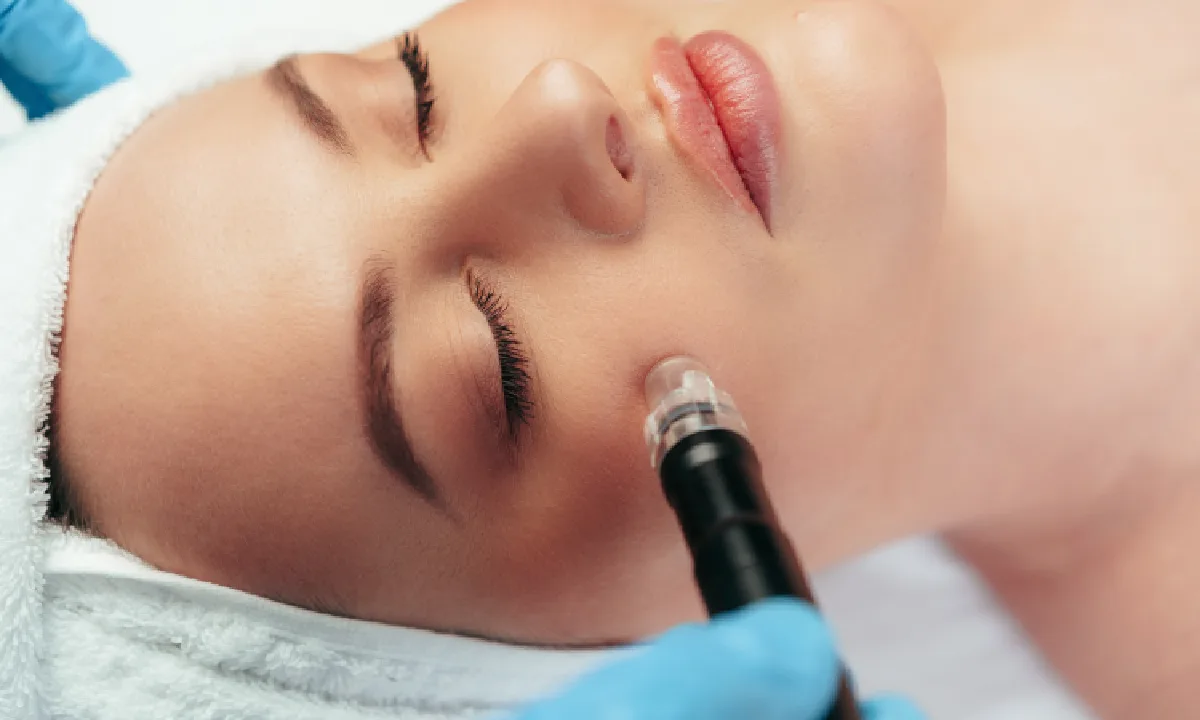
The collaboration also extends into skin-focused care, with GLO|ARK treatments that can pair well with services such as microneedling for collagen induction or a Glass Facial for immediate radiance.
Enhance Your Smile & Facial Harmony Today.
Frequently Asked Questions
What is dentofacial orthopedics?
Dentofacial orthopedics focuses on guiding jaw and facial development to improve bite function, facial balance, and orthodontic planning.
How does orthodontist collaboration improve results?
Orthodontist collaboration treatment helps create a more complete plan by considering tooth alignment, jaw structure, and facial proportions together.
When is early orthodontic intervention recommended?
Early orthodontic intervention may be recommended when a child shows signs of jaw imbalance, bite problems, or developing alignment issues that benefit from timely evaluation.