Skip to content

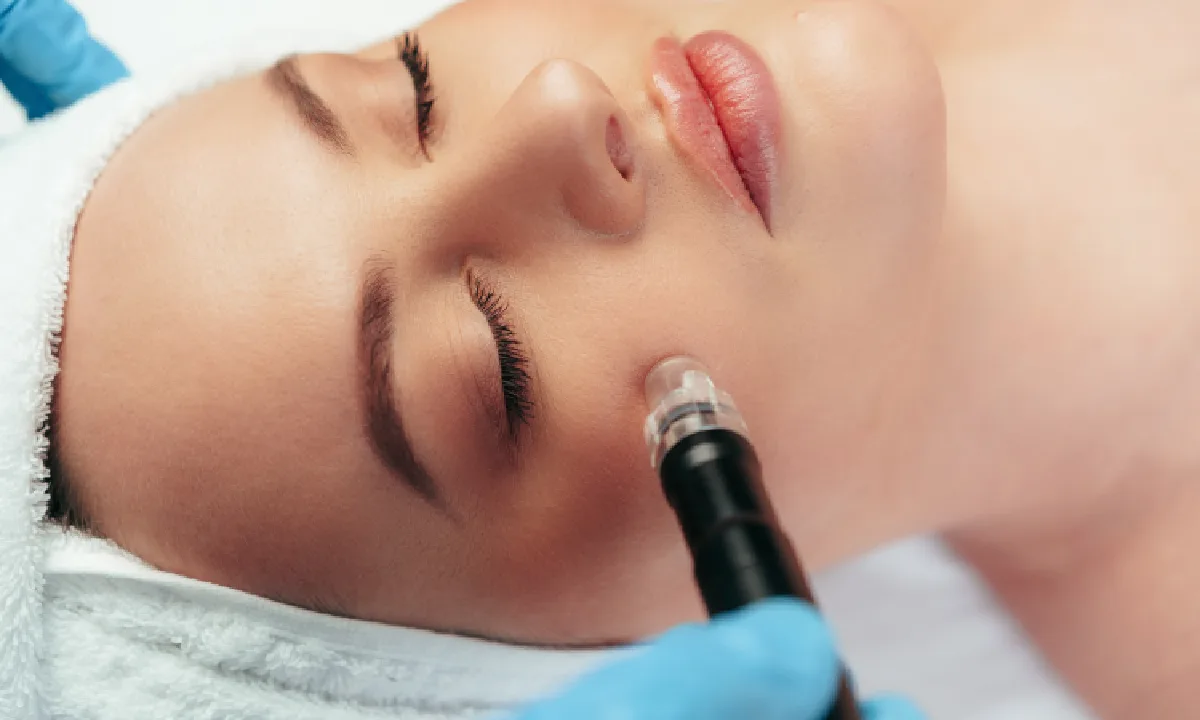
Table of Contents
Fine lines, acne scars, and uneven texture often reflect changes beneath the skin’s surface, which can make them difficult to address with skincare products alone. Microneedling takes a different approach by creating controlled microchannels that activate the skin’s natural repair process and support new collagen and elastin production. As the skin rebuilds over time, its texture, firmness, and overall appearance may gradually improve.
How painful is microneedling?
A topical numbing product is commonly used before microneedling, although patients may still notice pressure, vibration, or mild prickling during treatment.
How Does Microneedling Work Beneath the Skin?
Microneedling uses a device fitted with very fine needles that move into the skin at controlled depths. Each pass creates microscopic punctures, often called microchannels. These small injuries are intentional and trigger the body to respond as it would during normal tissue repair.
The healing response takes place in stages. Initially, the body begins addressing the controlled injury. Cells involved in tissue repair become active, followed by the formation and remodeling of collagen and other structural components.
This process is why microneedling is also described as microneedling collagen induction therapy. Collagen contributes to the skin’s strength and structure, while elastin helps maintain elasticity. Encouraging their production may gradually improve the appearance and feel of treated skin.
5 Benefits of Microneedling Treatment
The benefits of microneedling treatment can differ according to the concern being addressed, treatment depth, skin condition, and number of sessions. Five commonly discussed benefits include:
1. Smoother Skin Texture
Microneedling can support the remodeling of uneven areas by encouraging a controlled healing response. As the skin renews itself, rough or irregular texture may become less noticeable.
2. Softer-Looking Fine Lines
Fine lines often become more visible as collagen levels decline over time. Stimulating new collagen production may provide additional structural support and gradually soften their appearance.
3. Improvement in Certain Acne Scars
Atrophic acne scars develop when the skin does not produce enough tissue during the original healing process. Microneedling may encourage collagen remodeling within these areas, which can make suitable scars appear less pronounced.
4. Reduced Appearance of Enlarged Pores
Microneedling does not physically close pores, but improvements in the surrounding skin texture and firmness can make enlarged pores appear less prominent.
5. Minimal Disruption to the Skin Surface
Because treatment relies on small needle punctures rather than removing a broad layer of skin, recovery is generally manageable for many patients. Temporary redness, sensitivity, dryness, and mild swelling can still occur.
What Happens During a Microneedling Appointment?
The microneedling procedure and recovery begins with an assessment of the skin. Your provider can review the area being treated, discuss your main concerns, and select an appropriate treatment depth. Needle depth may differ across the face because thinner or more sensitive areas do not necessarily require the same settings as areas with deeper textural concerns.
The skin is cleansed before treatment, and a topical numbing product may be applied for comfort. Once the area is prepared, the microneedling device is passed across the skin in a controlled pattern.
Patients may notice pressure, vibration, or a prickling sensation. Some areas can feel more sensitive than others, particularly where the skin is thinner.
The treatment creates numerous microscopic channels, but these openings begin closing as the skin enters its repair phase. Your provider will give you aftercare instructions based on the treatment performed and your skin’s response.
Microneedling for Acne Scars and Fine Lines: Why the Approach Differs
Microneedling for acne scars and fine lines may involve the same basic technology, but the treatment goals are not identical.
For acne scarring, the focus is often on remodeling areas where the skin has healed with a depressed or uneven texture. Not every acne scar responds the same way. Scar type, depth, age, and location can affect the treatment plan, and some scars may be better addressed with another procedure or a combination approach.
For fine lines, treatment focuses more on supporting collagen in skin affected by gradual structural changes. These lines may soften as collagen develops, but microneedling does not stop normal skin aging or eliminate every wrinkle.
What Does Microneedling Recovery Look Like?
Immediately after a session, the skin commonly appears red and may feel warm or sensitive. Mild swelling can occur, and the skin may feel tight or dry as it recovers.
These effects usually become less noticeable over the following days. Some patients also experience light flaking as the skin settles.
Aftercare is important during this period. Patients are generally advised to avoid unnecessary irritation, follow their provider’s skincare recommendations, and protect treated skin from excessive sun exposure. Picking or scrubbing flaky skin can interfere with normal recovery.
Exercise, heat exposure, swimming, makeup, and active skincare ingredients may need to be temporarily limited depending on the intensity of treatment. Your provider can explain when it is appropriate to resume them.
When Should You Expect Microneedling Results?
The first visible change is not necessarily the final result. Skin may appear smoother or refreshed once initial redness subsides, while changes related to collagen development take longer.
New collagen formation continues after the surface has recovered. For this reason, visible improvements may begin within several weeks and continue developing over the following months.
Some people pursue microneedling as a series rather than a single treatment, particularly when addressing acne scars or more established textural changes. The appropriate number and spacing of sessions depend on the condition of the skin and how it responds.
Glo by Glen Facial Optimization Microneedling Treatment in Brooklyn, NY
At Glo by Glen Facial Optimization, microneedling Treatment in Brooklyn, NY is performed with the Cosmo Pen. Its fine needles create controlled microchannels intended to stimulate collagen and elastin production while allowing treatment to focus on concerns such as fine lines, wrinkles, acne scars, enlarged-looking pores, and uneven texture.
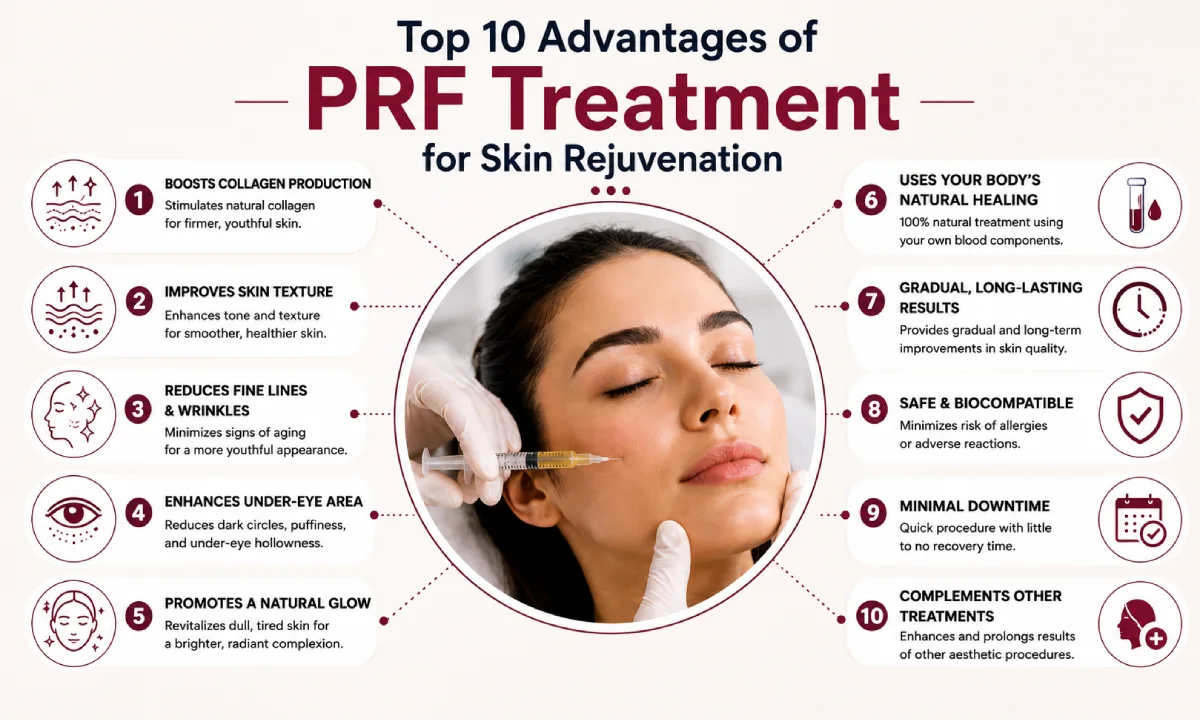
Another available approach combines microneedling with Platelet-Rich Fibrin, or PRF. PRF is prepared from the patient’s own blood and contains platelets, fibrin, growth factors, and white blood cells. Our team can incorporate it into a microneedling plan to support the skin’s healing and regenerative response.
Achieve Smoother, Healthier Skin with Microneedling Consultation Today.
Frequently Asked Questions
How long does it take for skin to recover after microneedling?
Redness and sensitivity often improve within several days, although recovery time can vary with treatment depth and individual skin response.
How many microneedling sessions are usually needed?
The number of sessions depends on the concern being treated, its severity, treatment intensity, and how the skin responds between appointments.
Can microneedling completely remove acne scars?
Microneedling may reduce the appearance of suitable acne scars, but it cannot guarantee complete scar removal.